These powerful machines help builders lift and move heavy materials safely and efficiently. From skyscrapers and bridges to highways and industrial plants, Construction Lifting Cranes make it possible to complete projects faster while maintaining safety and precision. As construction technology continues to advance, cranes are becoming even more intelligent, efficient, and essential.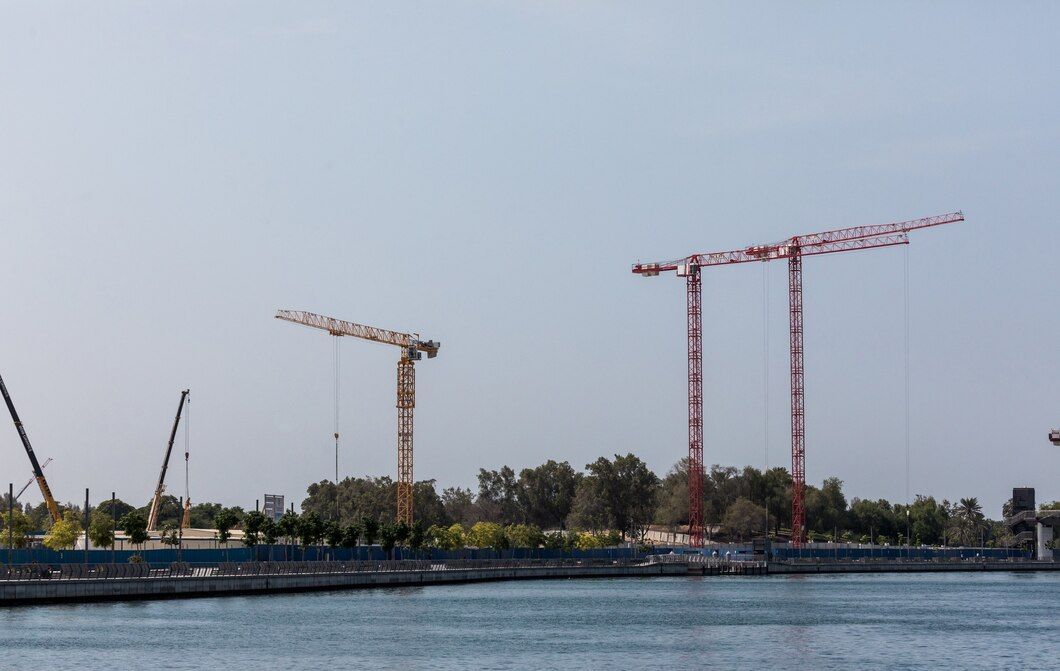
What is Construction Lifting Cranes
Construction Lifting Cranes are large mechanical machines designed to lift, lower, and move heavy materials across construction sites. They use a combination of pulleys, cables, hooks, and rotating arms to transport materials such as steel, concrete blocks, and large machinery. These cranes are engineered to handle extremely heavy loads while maintaining stability and accuracy.
In simple terms, a construction crane works like a powerful mechanical arm that helps builders place heavy materials exactly where they are needed. Whether it is lifting materials to the top floor of a tall building or moving large components across a site, Construction Lifting Cranes make heavy lifting manageable and efficient in modern construction environments.
How Construction Lifting Cranes Works
Construction Lifting Cranes operate using a combination of mechanical power, counterweights, and advanced control systems. The crane's boom or arm extends outward, and a strong steel cable connected to a hook lifts heavy materials. The operator controls the crane from a cabin or remote system, carefully guiding the load to the desired position.
Counterweights play a vital role in maintaining balance while lifting heavy objects. These weights prevent the crane from tipping over while moving loads. With precise controls and strong structural design, Construction Lifting Cranes can safely move extremely heavy materials to great heights or across wide distances within a construction site.
Key Benefits of Construction Lifting Cranes
Construction Lifting Cranes provide numerous advantages that significantly improve efficiency and safety in construction environments.
• Enables safe lifting of extremely heavy materials
• Improves efficiency and speed of construction activities
• Reduces manual labor and physical strain
• Allows precise placement of building materials
• Supports large-scale infrastructure projects
• Enhances overall site productivity
• Makes high-rise construction possible
Practical Examples or Use Cases
Construction Lifting Cranes are used in many different construction environments. The following table highlights common real-world applications.
| Category | Function | Example Use Case |
|---|---|---|
| High-Rise Buildings | Lifting steel structures and materials to upper floors | Skyscraper development |
| Bridge Construction | Moving heavy bridge segments and beams | Highway bridge installation |
| Industrial Plants | Transporting large machinery components | Power plant construction |
| Infrastructure Projects | Moving concrete blocks and construction materials | Dam or tunnel development |
| Urban Development | Supporting large-scale building projects | Commercial complex construction |
Tips or Best Practices
• Always ensure the crane is operated by trained and experienced operators
• Regular inspection of cables, hooks, and mechanical parts improves safety
• Maintain proper load limits to prevent equipment stress
• Use clear communication signals between ground teams and operators
Common Mistakes to Avoid
One common mistake in construction environments is overloading the crane beyond its designed lifting capacity. This can lead to instability and safety risks. Another issue occurs when operators ignore weather conditions such as strong winds, which can affect load control. Poor communication between ground workers and crane operators can also create unsafe situations. Proper planning, equipment checks, and trained operators help prevent these problems and ensure safe crane operations.
Future Trends or Insights
Construction technology is evolving quickly, and cranes are becoming smarter and more advanced. Modern Construction Lifting Cranes are now integrating automation, digital monitoring systems, and improved safety technology to support large infrastructure projects around the world.
• Smart cranes with digital monitoring systems
• Remote and automated crane operation technology
• Integration with construction project management software
• Improved energy-efficient lifting systems
• Advanced safety sensors and load monitoring systems
Frequently Asked Questions (FAQ)
1. What are Construction Lifting Cranes used for?
Construction Lifting Cranes are used to lift and move heavy building materials such as steel beams, concrete panels, and large equipment across construction sites.
2. Why are cranes important in construction?
They make it possible to move heavy materials safely and accurately, especially when working on tall buildings or large infrastructure projects.
3. What materials can cranes lift?
Cranes can lift steel structures, concrete blocks, prefabricated panels, construction equipment, and other heavy building components.
4. Are construction cranes safe to use?
Yes, when operated by trained professionals and maintained properly, cranes are designed with multiple safety systems to ensure secure lifting operations.
5. Can cranes be used in small construction projects?
Yes, smaller cranes are commonly used in residential and medium-scale projects where heavy materials still need controlled lifting.
Conclusion
Construction Lifting Cranes have become one of the most important machines in the modern construction industry. They allow builders to lift and position heavy materials with accuracy, making large infrastructure and high-rise developments possible.
As construction technology continues to improve, cranes will become even more efficient and intelligent. With advanced monitoring systems and automated controls, future Construction Lifting Cranes will help build safer, faster, and more efficient construction environments worldwide.