A well-designed Material Handling System improves operational efficiency and reduces manual effort. Businesses across manufacturing, logistics, and warehousing rely on these systems to streamline operations and maintain consistency. By organizing the movement of goods, companies can reduce delays, improve workplace safety, and enhance overall productivity.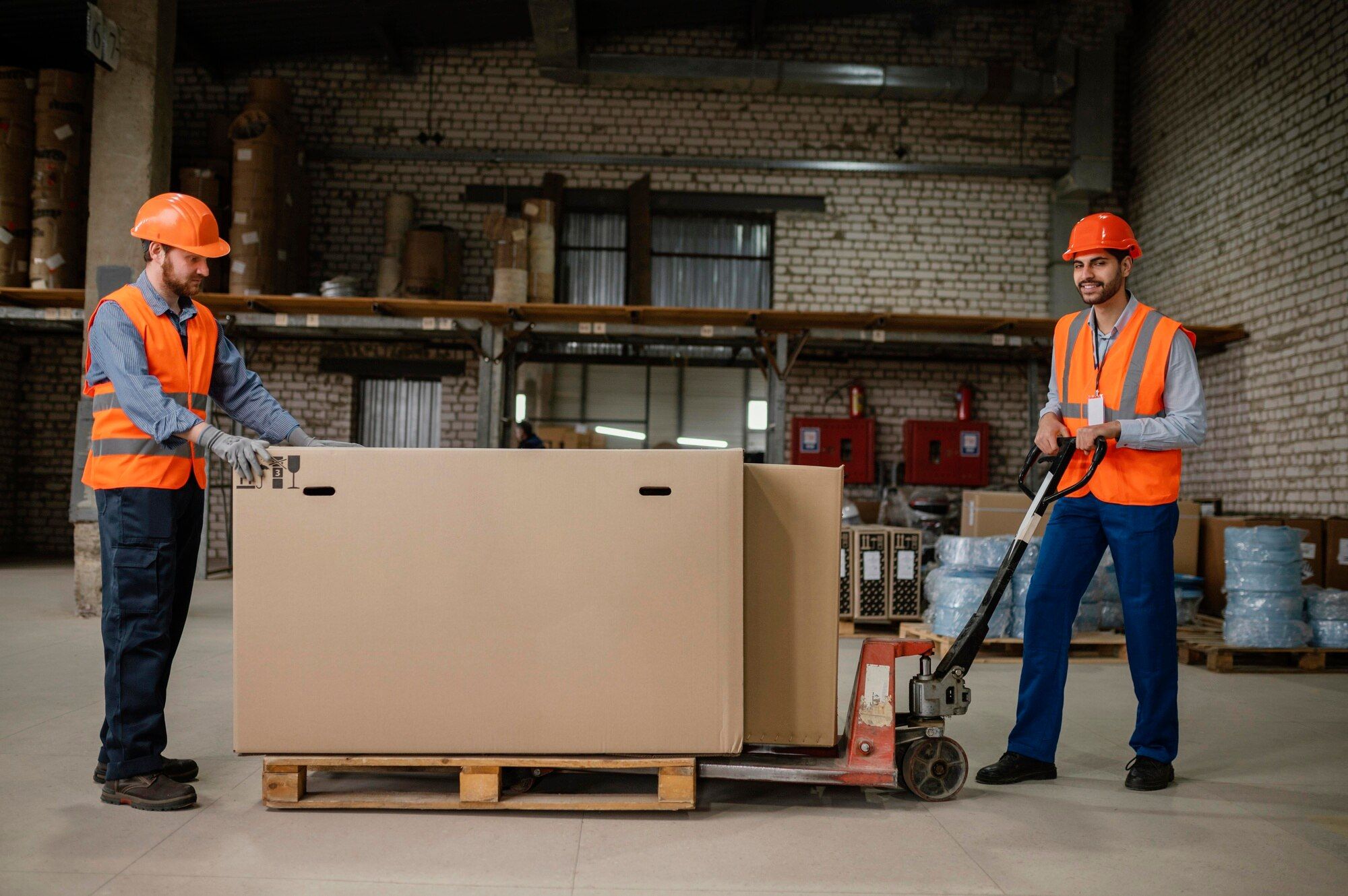
What is Material Handling System
A Material Handling System refers to a structured method used to move, store, protect, and control materials within a facility. It includes equipment, processes, and technologies that support the efficient movement of goods from one location to another. Materials can include raw components, semi-finished products, or completed items that move through production or storage stages.
In simple terms, a Material Handling System acts as the internal transportation and organization network of a facility. It ensures materials reach the right place at the right time without confusion or delay. These systems may involve conveyors, automated equipment, storage units, and digital tracking technologies that work together to create a smooth workflow.
How Material Handling System Works
A Material Handling System works by coordinating different tools and processes that move materials across production or storage areas. Materials enter the system through receiving areas, where they are sorted and directed toward storage locations or processing lines. Equipment such as conveyors, lifting devices, and automated vehicles help transport items efficiently across the facility.
As materials move through different stages, the system ensures proper tracking, organization, and storage. Digital monitoring tools may help maintain accuracy in inventory movement and ensure materials reach the correct department or production stage. This organized workflow reduces delays and keeps operations running smoothly.
Key Benefits of Material Handling System
A well-planned Material Handling System delivers several advantages that improve operational performance and workplace efficiency.
• Improves workflow efficiency by ensuring smooth movement of materials within the facility
• Reduces manual handling effort and supports safer working environments
• Enhances inventory organization and easier tracking of materials
• Minimizes production delays by ensuring timely material movement
• Improves space utilization within warehouses and production areas
• Supports consistent production processes and better operational control
Practical Examples or Use Cases
Below are some common real-world applications where a Material Handling System plays an important role.
| Category | Function | Example Use Case |
|---|---|---|
| Manufacturing | Moves raw materials to production lines | Conveyor systems transporting components in assembly plants |
| Warehousing | Organizes storage and retrieval | Automated storage systems managing inventory movement |
| Logistics | Supports loading and unloading processes | Dock handling equipment in distribution centers |
| Food Processing | Ensures hygienic material movement | Conveyor belts moving packaged food items |
| E-commerce Fulfillment | Speeds up order processing | Sorting systems directing packages to shipping zones |
Tips or Best Practices
• Plan facility layout carefully to ensure smooth material movement between departments
• Choose equipment that matches the type and weight of materials being handled
• Regularly maintain handling equipment to ensure consistent performance
• Train employees on safe handling procedures and system operations
Common Mistakes to Avoid
One common mistake when implementing a Material Handling System is focusing only on equipment rather than the overall workflow. Many facilities add machines without considering layout efficiency or material flow patterns. Another issue occurs when systems are introduced without proper employee training, which can lead to operational confusion. Ignoring regular maintenance can also reduce system reliability over time. A well-balanced approach that considers layout planning, equipment compatibility, and workforce understanding ensures long-term effectiveness.
Future Trends or Insights
The evolution of technology continues to transform how a Material Handling System operates in modern industries. Smart technologies and automation are making systems more efficient and adaptable to changing operational needs.
• Increased adoption of automation and robotics in warehouse environments
• Integration of AI-based monitoring for improved material tracking
• Smart sensors for real-time operational visibility
• Autonomous mobile vehicles supporting internal transport
• Data-driven decision systems improving workflow efficiency
Frequently Asked Questions (FAQ)
1. What is the purpose of a Material Handling System?
The purpose of a Material Handling System is to organize and control the movement, storage, and protection of materials within a facility to improve efficiency and workflow.
2. Where is a Material Handling System commonly used?
These systems are commonly used in manufacturing plants, warehouses, logistics centers, food processing facilities, and large distribution hubs.
3. What types of equipment are used in a Material Handling System?
Common equipment includes conveyors, storage racks, automated transport units, lifting devices, and sorting mechanisms that help move materials across facilities.
4. Why is a Material Handling System important for industries?
It improves operational efficiency, enhances workplace safety, and ensures materials reach the correct location within the production or storage process.
5. Can a Material Handling System support automation?
Yes, many modern systems integrate automation technologies that help manage material movement with minimal manual intervention.
Conclusion
A Material Handling System forms the backbone of efficient industrial operations. By organizing the movement and storage of materials, it helps businesses maintain smooth workflows and improve operational performance. Whether in manufacturing plants or large distribution centers, these systems support consistent production and better facility management.
As industries continue to evolve, advanced technologies will further enhance the capabilities of the Material Handling System. Automation, smart monitoring, and data-driven insights will help facilities operate with greater efficiency and reliability, making these systems an essential component of modern industrial environments.