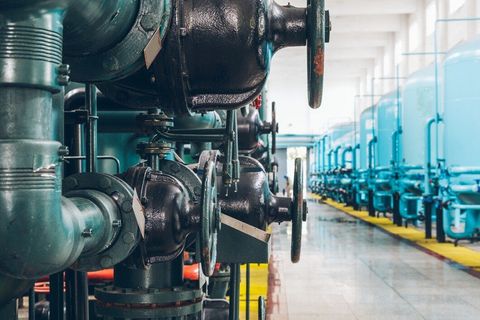
Today, Industrial Assembly Lines play a critical role in industries such as automotive, electronics, appliances, and machinery production. By dividing complex manufacturing processes into smaller, structured steps, companies can streamline operations and reduce production delays. This approach not only improves efficiency but also helps businesses meet growing global demand.
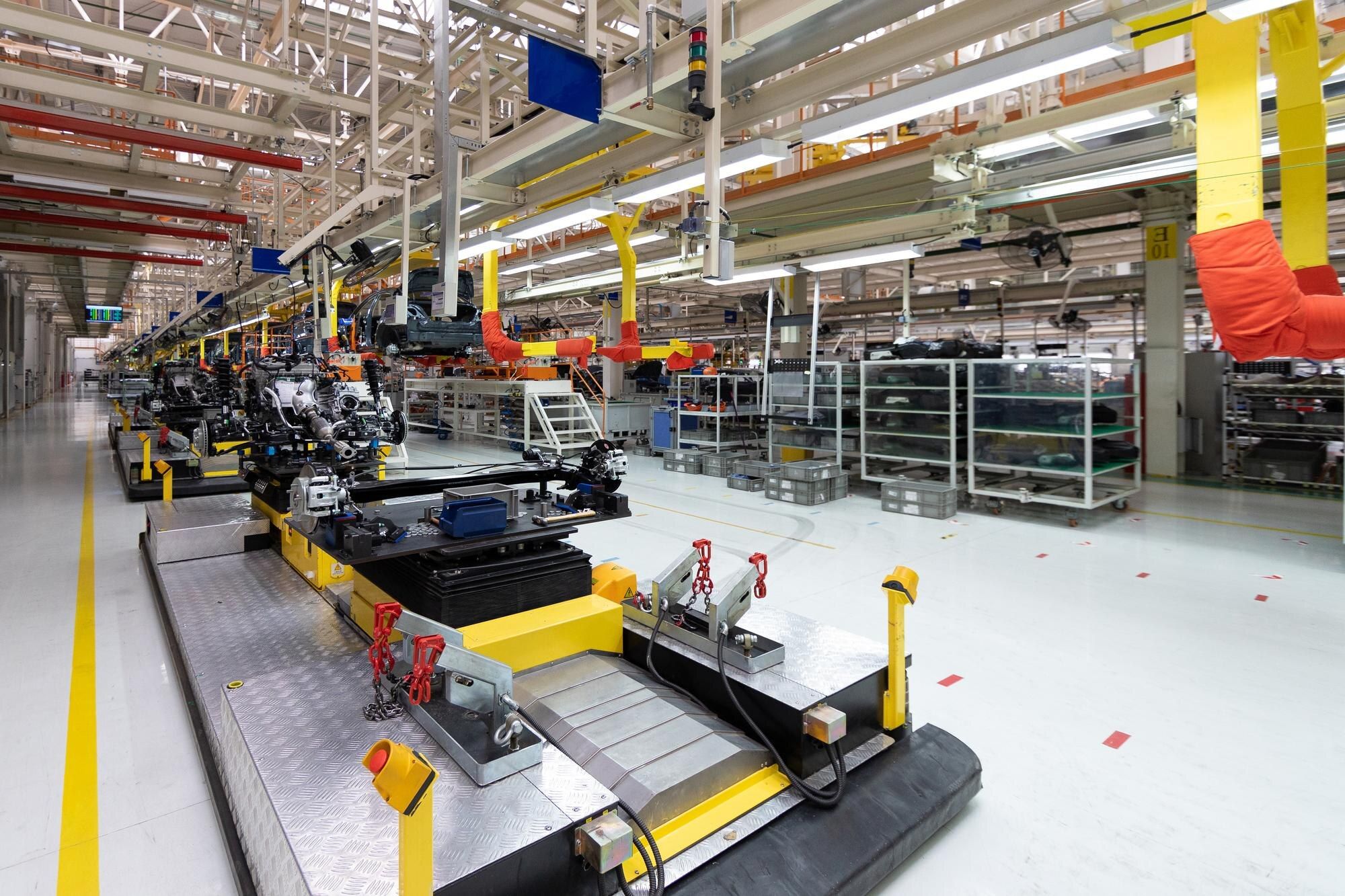
What is Industrial Assembly Lines
Industrial Assembly Lines refer to a structured manufacturing process where a product moves through a sequence of workstations, and each station performs a specific task before passing the product to the next stage. Instead of one worker completing an entire product, multiple workers or machines handle smaller parts of the process in a coordinated workflow.
This method improves production speed and consistency because each workstation focuses on a single specialized task. Over time, the process becomes more efficient as workers, robotics, and automated systems perform their roles with precision. As a result, manufacturers can produce large volumes of identical products with reliable quality and reduced production time.
How Industrial Assembly Lines Works
In Industrial Assembly Lines, production begins when raw materials or components enter the first station of the line. At each stage, workers or automated machines perform a specific action such as assembling parts, fastening components, testing functionality, or packaging the product. The item then moves along the conveyor or workflow path to the next station where the next task is completed.
This structured flow continues until the final product reaches the end of the line fully assembled and ready for distribution. Because every station focuses on a dedicated task, the process becomes faster and more predictable. The coordination between stations ensures that production moves smoothly without unnecessary delays or interruptions.
Key Benefits of Industrial Assembly Lines
Industrial Assembly Lines bring several advantages that help manufacturers increase efficiency and maintain product quality. These systems simplify complex production processes and ensure that every stage of manufacturing is organized and repeatable.
Key benefits include:
- Higher Production Efficiency – Tasks are divided into smaller steps, allowing products to move quickly through the manufacturing process.
- Consistent Product Quality – Standardized procedures ensure that each product is assembled in the same way.
- Improved Workflow Organization – Structured workstations help reduce confusion and maintain smooth production flow.
- Better Time Management – Manufacturing stages operate simultaneously, reducing overall production time.
- Scalability for Large Production – Assembly lines make it easier to increase output when demand grows.
- Integration with Automation – Modern systems combine robotics and digital monitoring for improved precision.
Practical Examples or Use Cases
Industrial Assembly Lines are widely used across many sectors to produce complex products efficiently. The table below highlights some common real-world applications.
| Category | Function | Example Use Case |
|---|---|---|
| Automotive Manufacturing | Sequential vehicle assembly | Cars moving through stations for body assembly, painting, and final inspection |
| Electronics Production | Component installation | Smartphones assembled with circuit boards, screens, and batteries |
| Appliance Manufacturing | Mechanical and electrical assembly | Refrigerators assembled with cooling units, wiring, and insulation |
| Packaging Industry | Automated packing process | Bottled products filled, sealed, labeled, and packed |
| Machinery Production | Heavy equipment assembly | Industrial machines assembled through staged component integration |
Tips or Best Practices
- Design clear workstation roles so each stage performs a well-defined task.
- Maintain consistent workflow timing to prevent production bottlenecks.
- Regularly inspect equipment to ensure smooth operation.
- Use digital monitoring systems to track productivity and quality.
Common Mistakes to Avoid
One common mistake when implementing Industrial Assembly Lines is failing to balance the workload between different stations. When one stage takes significantly longer than others, it creates bottlenecks that slow down the entire production process. Another issue occurs when companies overlook equipment maintenance or worker training, which can lead to interruptions or inconsistent product quality. Proper planning, regular monitoring, and continuous improvement are essential to ensure that the assembly line operates efficiently.
Future Trends or Insights
As manufacturing technology continues to evolve, Industrial Assembly Lines are becoming more advanced and intelligent. Modern production systems now combine automation, robotics, and digital analytics to create smarter manufacturing environments.
Future trends include:
- Smart factories powered by AI and data analytics
- Collaborative robots assisting workers in assembly tasks
- Real-time production monitoring using IoT technology
- Flexible assembly lines that adapt to multiple product types
- Predictive maintenance systems to prevent production downtime
Frequently Asked Questions (FAQ)
1. What industries commonly use Industrial Assembly Lines?
Industries such as automotive manufacturing, electronics production, appliance manufacturing, and packaging rely heavily on Industrial Assembly Lines.
2. Why are Industrial Assembly Lines important in manufacturing?
They help manufacturers produce products faster, maintain consistent quality, and streamline complex production processes.
3. Can Industrial Assembly Lines include automation?
Yes. Many modern assembly lines integrate robotics, automated conveyors, and digital monitoring systems to improve efficiency.
4. How do assembly lines improve productivity?
By dividing tasks into smaller steps, workers and machines can specialize in specific activities, which speeds up production.
5. Are Industrial Assembly Lines suitable for large-scale production?
Yes. They are specifically designed to handle high-volume manufacturing while maintaining consistent product standards.
Conclusion
Industrial Assembly Lines have become one of the most important foundations of modern manufacturing. By organizing production into structured stages, these systems allow companies to build complex products efficiently while maintaining consistent quality.
As industries continue to adopt automation, robotics, and smart manufacturing technologies, assembly lines will become even more advanced. Businesses that embrace these systems can improve productivity, streamline operations, and adapt more easily to future manufacturing demands.