In many areas, especially in multi-story buildings or locations with fluctuating municipal supply, maintaining balanced pressure can be challenging. Properly designed Water Pressure Systems help ensure water reaches every outlet with the right force. They improve comfort, efficiency, and overall water management in residential, commercial, and industrial environments.
What is Water Pressure Systems
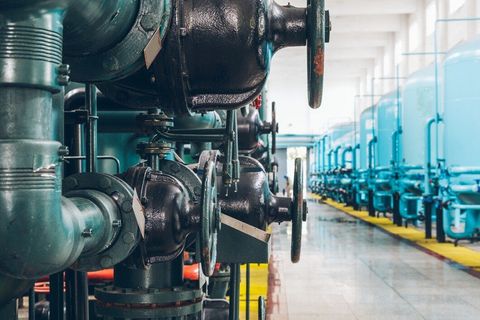
Water Pressure Systems are mechanical setups designed to regulate and maintain consistent water pressure throughout a plumbing network. These systems typically include pumps, pressure tanks, valves, sensors, and control units that work together to ensure water flows at the desired level. Without proper pressure regulation, water might trickle slowly or surge too strongly through pipes.
In simple terms, Water Pressure Systems act as the “control center” for water flow inside a building. They monitor pressure levels and adjust pump activity to keep the flow steady. Whether it is a small home or a large commercial structure, these systems ensure water reaches every fixture with balanced pressure and reliability.
How Water Pressure Systems Works
Water Pressure Systems operate by detecting the pressure level inside a plumbing network and adjusting water flow accordingly. When pressure drops below a certain level, the pump activates and pushes water through the pipes until the desired pressure is restored. Sensors and control switches help monitor these changes in real time.
As water moves through the system, a pressure tank stores compressed air and water to stabilize flow and reduce pump cycling. This ensures smooth operation and prevents sudden pressure fluctuations, allowing faucets, showers, and appliances to function consistently across the entire building.
Key Benefits of Water Pressure Systems
Properly designed Water Pressure Systems provide multiple advantages for both residential and commercial properties. By maintaining consistent water flow and protecting plumbing infrastructure, they improve everyday water usage and long-term efficiency.
Benefits include:
- Consistent water flow across all taps and fixtures
- Improved performance of appliances such as washing machines and dishwashers
- Better water distribution in multi-story buildings
- Reduced strain on plumbing pipes and valves
- Enhanced comfort during showers and daily water use
- Improved water efficiency through controlled pressure levels
Practical Examples or Use Cases
Water Pressure Systems are used in many environments where steady water flow is essential. Their design may vary depending on the building size, water demand, and infrastructure layout.
| Category | Function | Example Use Case |
|---|---|---|
| Residential Homes | Maintain steady pressure for taps and showers | Houses located in areas with weak municipal supply |
| High-Rise Buildings | Boost water to upper floors | Apartment towers and residential complexes |
| Hotels and Resorts | Provide consistent water flow to many rooms | Guest bathrooms, kitchens, and laundry facilities |
| Industrial Facilities | Support water distribution across large areas | Cooling systems and manufacturing operations |
| Agricultural Systems | Regulate irrigation water flow | Controlled watering for farms and greenhouses |
Tips or Best Practices
- Regularly inspect pumps, valves, and pressure tanks to ensure optimal performance.
- Monitor pressure levels to prevent excessive strain on plumbing components.
- Keep the system clean and maintain filters to avoid blockages.
- Ensure the system design matches the building’s water demand and layout.
Common Mistakes to Avoid
One common mistake beginners make is ignoring proper pressure calibration when installing Water Pressure Systems. If the pressure setting is too high, it can damage pipes, fittings, and appliances over time. On the other hand, pressure that is too low leads to poor water flow and inefficient system performance. Another mistake is neglecting routine inspections, which may allow small issues like leaks or worn components to develop into larger plumbing problems. Proper planning and maintenance are essential for reliable operation.
Future Trends or Insights
As buildings become smarter and more efficient, Water Pressure Systems are evolving with new technologies. Modern systems increasingly incorporate automation, digital monitoring, and energy-efficient components to improve water management.
Emerging trends include:
- Smart pressure monitoring with real-time data tracking
- Energy-efficient pump technologies
- Integration with smart home and building management systems
- Automated pressure adjustment based on demand
- Advanced leak detection and predictive maintenance
Frequently Asked Questions (FAQ)
1. Why are Water Pressure Systems important in buildings?
They help maintain consistent water flow across plumbing fixtures, ensuring comfortable and efficient water usage.
2. Can Water Pressure Systems improve shower performance?
Yes. Proper pressure regulation ensures steady water flow, which improves shower consistency and comfort.
3. Are Water Pressure Systems used only in large buildings?
No. They are used in homes, apartments, hotels, and industrial environments wherever stable water pressure is needed.
4. How often should Water Pressure Systems be inspected?
Routine inspections should be performed periodically to ensure pumps, valves, and tanks operate correctly.
5. Can pressure fluctuations affect plumbing appliances?
Yes. Irregular pressure can shorten the lifespan of appliances such as washing machines and dishwashers.
Conclusion
Water Pressure Systems play a vital role in modern plumbing infrastructure. They ensure that water flows evenly throughout homes, commercial buildings, and industrial facilities. By regulating pressure levels and maintaining stable distribution, these systems improve comfort, reliability, and overall water management.
As technology continues to advance, Water Pressure Systems are becoming smarter and more efficient. With improved monitoring, automation, and energy-conscious designs, these systems will continue to support better water distribution in the future.