Industrial filtration systems help remove unwanted particles from liquids, gases, and air within production environments. By ensuring that fluids and airflow remain clean, these systems improve productivity, protect expensive equipment, and support environmental compliance. As industries continue to expand and automation grows, the role of filtration technology becomes even more important.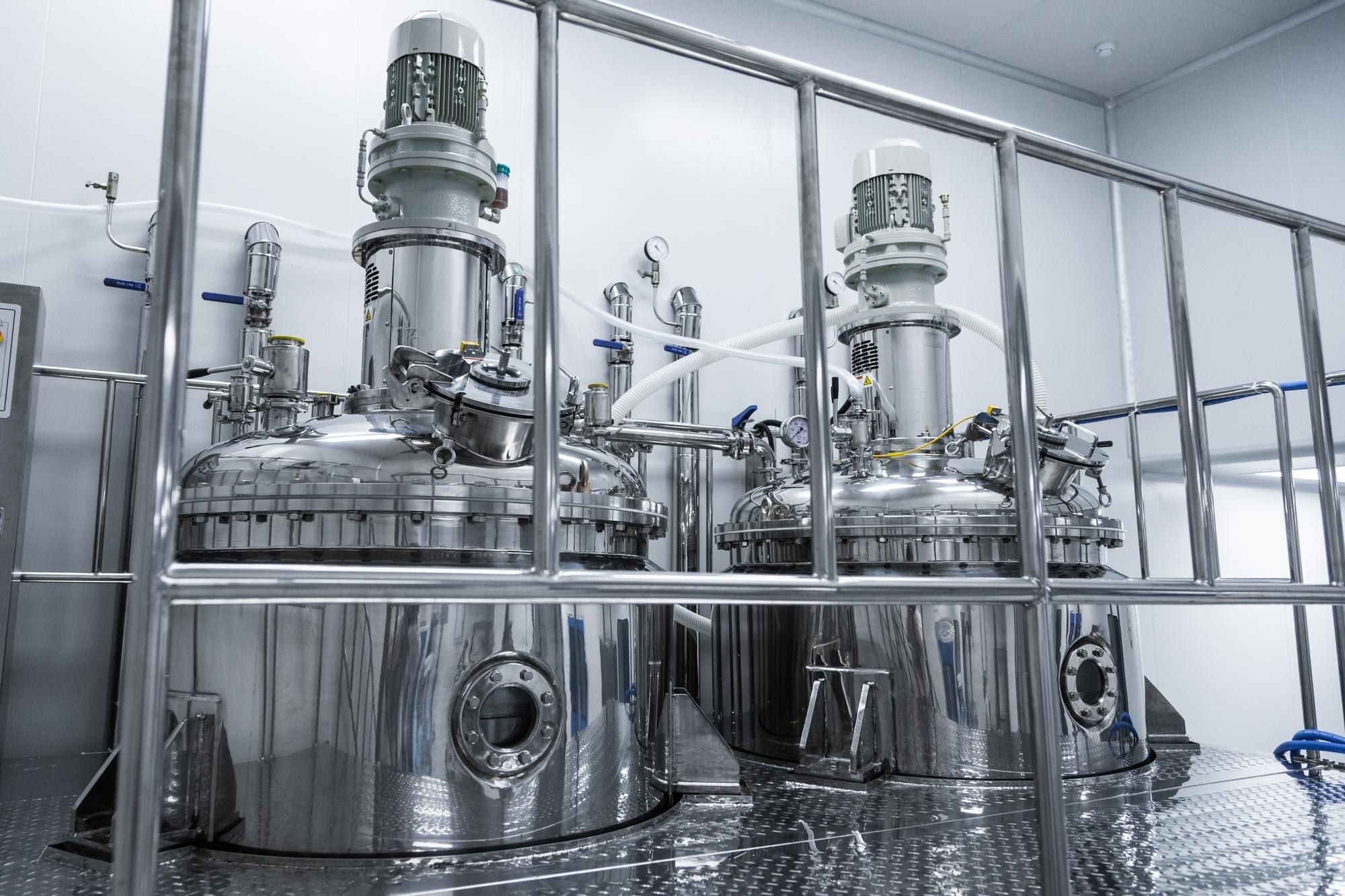
What is Industrial Filtration Equipment
Industrial Filtration Equipment refers to specialized systems designed to remove contaminants, particles, and impurities from liquids, gases, or air within industrial environments. These systems use different filtration methods and materials to separate unwanted substances from the main fluid or airflow. The goal is to ensure that the working medium remains clean and safe for machines, processes, and final products.
In simple terms, industrial filtration acts like a protective barrier inside industrial systems. Just as water filters purify drinking water, industrial filtration systems clean the substances used in factories and plants. These systems are commonly used in sectors such as manufacturing, pharmaceuticals, power generation, chemical processing, and food production to maintain consistent process quality.
How Industrial Filtration Equipment Works
Industrial Filtration Equipment works by passing liquids, gases, or air through specially designed filter media that capture contaminants while allowing the clean substance to pass through. The filter media may include mesh screens, membranes, cartridges, or fabric layers depending on the type of filtration required. As the substance flows through the system, particles become trapped within the filter structure.
Over time, collected contaminants build up in the filter, which can either be cleaned or replaced depending on the system design. Many modern filtration systems also include automated monitoring technologies that track pressure levels and filtration efficiency. This helps industries maintain optimal performance while preventing equipment damage or process disruptions.
Key Benefits of Industrial Filtration Equipment
Industrial processes often involve complex machinery and sensitive materials. Without proper filtration, contamination can lead to reduced efficiency, equipment damage, and inconsistent product quality. Industrial Filtration Equipment plays a critical role in preventing these issues.
Key benefits include:
• Improves overall equipment efficiency and operational stability
• Protects machinery from contamination and premature wear
• Enhances product quality in manufacturing processes
• Helps maintain cleaner air and safer work environments
• Supports environmental compliance and pollution control
• Reduces maintenance interruptions in production facilities
• Extends the lifespan of industrial equipment
Practical Examples or Use Cases
Industrial filtration systems are used across many sectors to maintain clean and reliable processes. The following table highlights several real-world applications.
| Category | Function | Example Use Case |
|---|---|---|
| Manufacturing | Removes particles from machine fluids | Metalworking coolant filtration |
| Food Processing | Ensures hygienic liquid processing | Beverage and dairy filtration |
| Chemical Industry | Separates impurities from chemical mixtures | Chemical reaction filtration |
| Energy Sector | Protects turbines and compressors | Gas filtration in power plants |
| Water Treatment | Removes contaminants from industrial water | Wastewater filtration systems |
| Pharmaceutical Production | Maintains sterile environments | Sterile air and liquid filtration |
Tips or Best Practices
• Select filtration systems that match the type of contaminants and industrial process.
• Regularly inspect filters to ensure consistent performance.
• Monitor pressure levels to detect filter clogging early.
• Maintain proper cleaning or replacement schedules for filter media.
Common Mistakes to Avoid
Many industries underestimate the importance of proper filtration system maintenance. A common mistake is ignoring filter replacement schedules, which can reduce efficiency and lead to equipment damage. Another issue is selecting filtration systems without fully understanding the type and size of contaminants present in the process. Poor system design, improper installation, and lack of monitoring can also lead to reduced filtration performance and unnecessary downtime.
Future Trends or Insights
Industrial filtration technology continues to evolve as industries focus more on sustainability, automation, and environmental responsibility. Advanced filtration solutions are becoming more efficient, intelligent, and adaptable to modern industrial requirements.
Emerging trends include:
• Smart filtration systems with real-time monitoring sensors
• Integration with automated industrial control systems
• Development of high-efficiency nanofiber filter media
• Increased focus on sustainable and reusable filtration materials
• Advanced air purification technologies for cleaner industrial environments
Frequently Asked Questions (FAQ)
1. What industries commonly use Industrial Filtration Equipment?
Industrial filtration systems are widely used in manufacturing, pharmaceuticals, chemical processing, food production, energy generation, and water treatment facilities.
2. Why is industrial filtration important?
Filtration helps remove contaminants that can damage equipment, affect product quality, and reduce overall operational efficiency.
3. How often should industrial filters be replaced?
Replacement frequency depends on the system design, operating conditions, and level of contamination, but regular monitoring helps determine the right maintenance schedule.
4. Can industrial filtration systems improve workplace safety?
Yes, filtration systems remove harmful particles and pollutants from air and fluids, helping create a cleaner and safer work environment.
5. What types of filtration methods are used in industry?
Common methods include mechanical filtration, membrane filtration, depth filtration, and activated carbon filtration depending on the application.
Conclusion
Industrial processes depend on reliability, precision, and efficiency. Industrial Filtration Equipment plays a crucial role in maintaining these standards by removing contaminants that could otherwise damage machinery or compromise product quality. From manufacturing plants to energy facilities, filtration systems help ensure smoother and safer industrial operations.
As industries continue to adopt advanced technologies and automation, filtration solutions will become even more sophisticated. Smart monitoring systems, sustainable filter materials, and high-efficiency filtration designs will shape the future of industrial operations. Investing in effective filtration strategies helps industries maintain productivity while supporting cleaner and more responsible industrial environments.