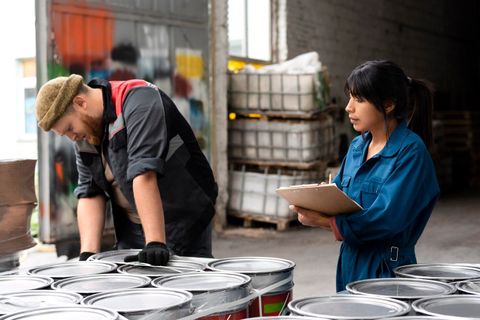
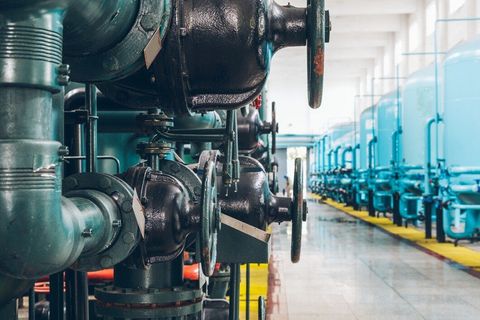
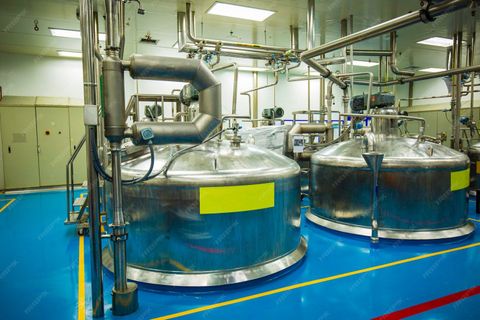
Industries such as pharmaceuticals, food processing, water treatment, and manufacturing rely heavily on Chemical Mixing Equipment to maintain consistent production standards. Without proper mixing systems, materials may separate, reactions may become unstable, and product performance could decline. Modern mixing technology has evolved to provide precise control, improved efficiency, and safer handling of complex chemical processes.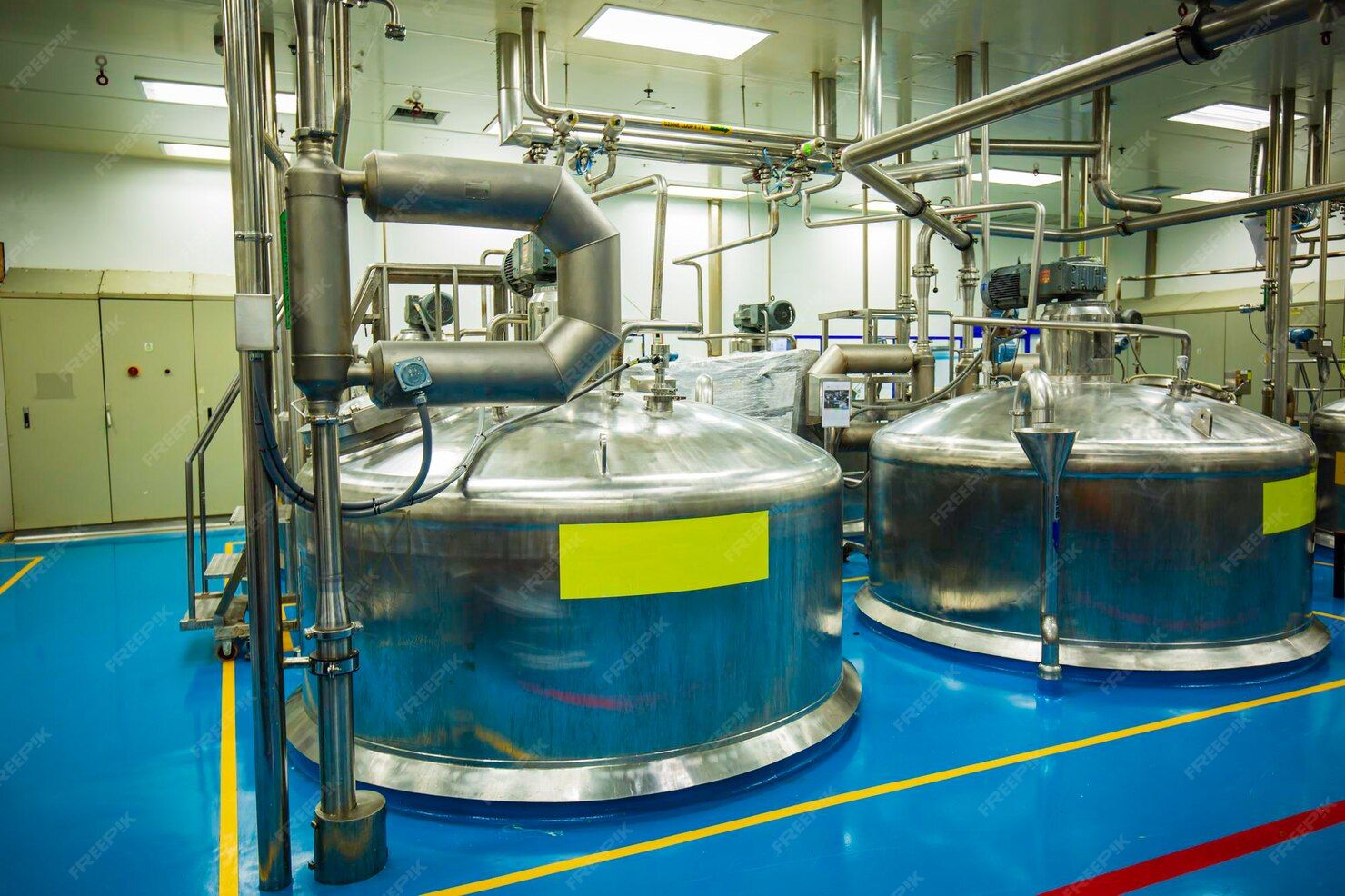
What is Chemical Mixing Equipment
Chemical Mixing Equipment refers to machines and mechanical systems used to combine different chemical substances into a uniform mixture. These systems are designed to handle a wide range of materials including liquids, solids, slurries, and viscous compounds. The primary goal is to ensure that all components are evenly distributed, allowing chemical reactions or blending processes to occur consistently.
In many industrial environments, Chemical Mixing Equipment includes mixers, agitators, blending tanks, and high-shear mixing systems. Each type of equipment is designed for specific mixing tasks depending on the properties of the materials being processed. By controlling speed, motion, and mixing patterns, these systems help manufacturers maintain consistent product quality and improve overall production efficiency.
How Chemical Mixing Equipment Works
Chemical Mixing Equipment works by creating controlled movement within a container that holds the chemical materials. Rotating blades, impellers, or paddles generate fluid motion that pushes and pulls the substances through the mixture. This movement breaks up clumps, distributes particles, and allows materials to blend evenly. The mixing intensity depends on factors such as equipment design, rotation speed, and the physical properties of the materials.
During operation, the mixer produces flow patterns that circulate materials throughout the vessel. These patterns allow heavier particles to remain suspended and prevent separation. Over time, the mixing action ensures that every part of the mixture reaches the same composition, producing a stable and uniform final product suitable for industrial processes.
Key Benefits of Chemical Mixing Equipment
Chemical Mixing Equipment provides multiple advantages for industrial operations. Efficient mixing systems help maintain product consistency, improve safety, and support reliable chemical reactions in production environments.
Major benefits include:
• Improved consistency in chemical formulations
• Faster mixing processes and better production efficiency
• Better control of chemical reactions and material distribution
• Reduced material waste during production
• Enhanced safety when handling reactive substances
• Ability to mix liquids, powders, and viscous materials
• Scalable solutions suitable for both small and large operations
These benefits make Chemical Mixing Equipment a crucial component in modern industrial manufacturing.
Practical Examples or Use Cases
Chemical Mixing Equipment is used across many industries to combine materials for different purposes. The following table highlights several real-world applications.
| Category | Function | Example Use Case |
|---|---|---|
| Water Treatment | Mixing treatment chemicals with water | Blending disinfectants and coagulants in water purification systems |
| Pharmaceutical Production | Creating uniform drug formulations | Mixing active ingredients with liquid carriers |
| Food Processing | Blending ingredients for food products | Mixing sauces, syrups, and flavoring solutions |
| Chemical Manufacturing | Combining chemical compounds | Producing industrial chemicals and cleaning formulations |
| Cosmetics Production | Creating emulsions and creams | Mixing oils, fragrances, and stabilizing ingredients |
| Paint and Coatings | Dispersing pigments evenly | Blending pigments with solvents and binders |
These examples show how versatile and important Chemical Mixing Equipment is in various industrial sectors.
Tips or Best Practices
• Select mixing equipment that matches the viscosity and properties of the materials.
• Monitor mixing speed and duration to maintain consistent results.
• Regularly inspect equipment to ensure stable performance.
• Maintain proper cleaning procedures to prevent contamination between batches.
Common Mistakes to Avoid
Many beginners underestimate the importance of choosing the correct mixing technology for their application. Using equipment that does not match the material properties can lead to uneven mixing or unstable reactions. Another common mistake is operating mixers at improper speeds, which can create air bubbles, excessive heat, or incomplete blending. Inconsistent maintenance practices can also reduce equipment performance over time, making it harder to achieve reliable mixing results.
Future Trends or Insights
Chemical Mixing Equipment continues to evolve as industries adopt advanced manufacturing technologies. Modern systems are increasingly designed to improve efficiency, safety, and precision in chemical processing environments.
Key emerging trends include:
• Smart mixing systems with automated process control
• Integration of sensors for real-time monitoring of mixing conditions
• Energy-efficient mixer designs for sustainable manufacturing
• Advanced materials used in mixer construction for better durability
• Improved mixing technology for high-viscosity and complex materials
These developments are shaping the next generation of industrial mixing systems.
Frequently Asked Questions (FAQ)
1. What is the main purpose of Chemical Mixing Equipment?
The main purpose is to combine different chemical substances into a uniform mixture so that reactions and formulations remain consistent.
2. What industries commonly use Chemical Mixing Equipment?
Industries such as pharmaceuticals, water treatment, food processing, cosmetics, and chemical manufacturing frequently use these systems.
3. Can Chemical Mixing Equipment handle both liquids and solids?
Yes, many mixing systems are designed to process liquids, powders, slurries, and viscous materials depending on the equipment type.
4. Why is proper mixing important in chemical processes?
Proper mixing ensures uniform distribution of ingredients, stable chemical reactions, and consistent product quality.
5. How do manufacturers choose the right mixing equipment?
The selection usually depends on material properties, desired mixing speed, production scale, and the type of mixing process required.
Conclusion
Chemical Mixing Equipment is a fundamental component of modern industrial processing. From pharmaceuticals to water treatment systems, these machines ensure that materials blend properly and chemical reactions occur in a controlled and predictable way. Efficient mixing systems help industries maintain high production standards while improving safety and operational reliability.
As technology continues to evolve, Chemical Mixing Equipment will become even more advanced, incorporating automation, smart monitoring systems, and energy-efficient designs. These innovations will support more precise chemical processing and help industries maintain consistent production in an increasingly complex manufacturing environment.