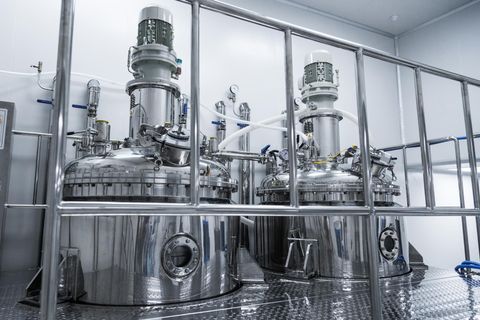
Industrial Energy Technology focuses on modern tools, systems, and strategies that help industries optimize energy use. It combines engineering innovations, digital monitoring systems, and efficient machinery to reduce energy waste and improve productivity. By adopting these technologies, industries can operate more responsibly while supporting long-term sustainability and environmental balance.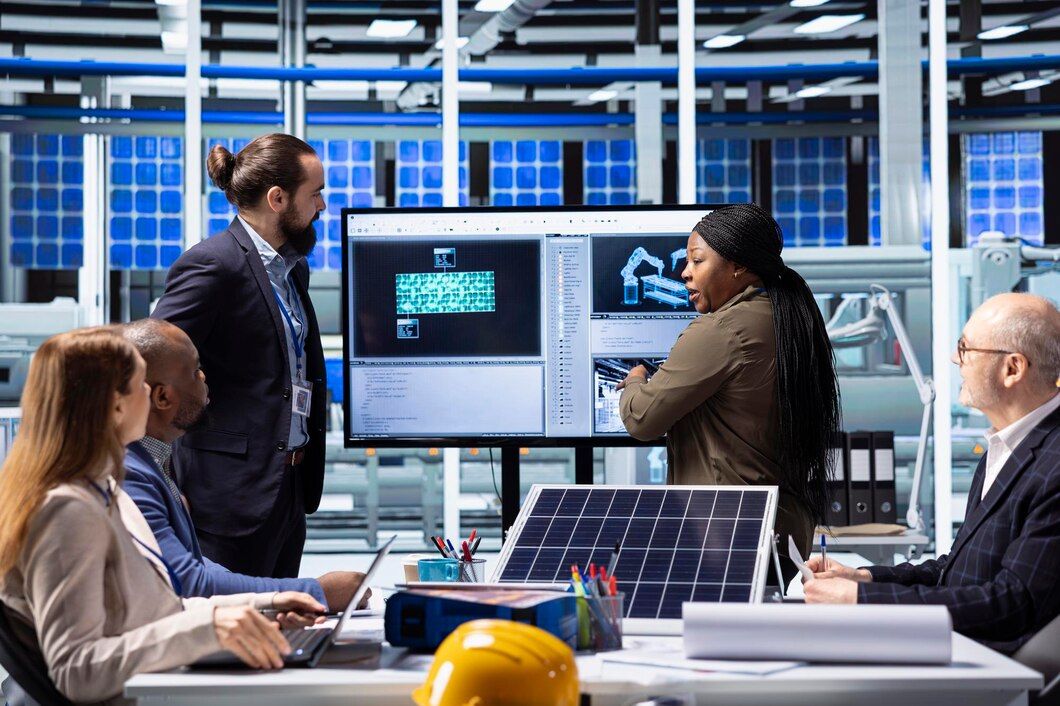
What is Industrial Energy Technology
Industrial Energy Technology refers to advanced systems, equipment, and processes designed to improve how energy is generated, distributed, and used within industrial environments. It includes technologies that monitor energy consumption, optimize energy usage, and improve the efficiency of industrial machines and production lines.
In simple terms, Industrial Energy Technology helps industries use energy more intelligently. Instead of relying on outdated equipment or inefficient energy processes, companies integrate modern energy management systems, automation tools, and smart sensors to track and control energy use. This approach allows industries to maintain high productivity while reducing unnecessary energy consumption and improving environmental performance.
How Industrial Energy Technology Works
Industrial Energy Technology works by combining monitoring systems, data analytics, and efficient equipment to track how energy is used in industrial processes. Sensors and smart meters collect real-time data from machines, production lines, and energy systems. This data is then analyzed using digital platforms that identify patterns, inefficiencies, and opportunities for improvement.
Once the system identifies energy inefficiencies, industries can optimize their operations by adjusting machine performance, improving production scheduling, or upgrading equipment. This continuous monitoring and optimization process ensures that energy resources are used efficiently while maintaining consistent industrial productivity.
Key Benefits of Industrial Energy Technology
Industrial Energy Technology provides significant advantages for modern industries. By integrating smarter energy solutions, companies can improve performance, sustainability, and operational reliability.
Key benefits include:
- Improved energy efficiency across industrial processes
- Better monitoring and control of energy consumption
- Reduced environmental impact through smarter energy usage
- Enhanced productivity with optimized industrial systems
- Long-term operational sustainability for manufacturing facilities
- Better decision-making using real-time energy data
Practical Examples or Use Cases
Industrial Energy Technology is widely used across multiple industries to improve energy efficiency and operational performance.
| Category | Function | Example Use Case |
|---|---|---|
| Manufacturing | Energy monitoring systems | Factories track machine energy usage to improve efficiency |
| Chemical Processing | Heat recovery technology | Reusing heat from industrial processes to power other systems |
| Food Processing | Smart automation systems | Production lines adjust energy usage based on output demand |
| Metal Industry | Energy-efficient furnaces | Furnaces designed to reduce energy consumption during metal production |
| Logistics & Warehousing | Intelligent lighting systems | Sensors adjust lighting levels based on activity and daylight |
Tips or Best Practices
- Use real-time energy monitoring systems to track industrial energy usage.
- Regularly upgrade machinery with energy-efficient technologies.
- Train teams to understand energy management practices.
- Analyze production data to identify areas where energy optimization is possible.
Common Mistakes to Avoid
One common mistake industries make when adopting Industrial Energy Technology is focusing only on equipment upgrades without monitoring actual energy usage. Many facilities install new machinery but fail to track energy performance or analyze data regularly. Another mistake is ignoring employee awareness and training, which can lead to inefficient operation of advanced systems. Without proper planning and continuous monitoring, industries may not achieve the full benefits of Industrial Energy Technology.
Future Trends or Insights
Industrial Energy Technology continues to evolve as industries look for smarter ways to manage energy and reduce environmental impact. With the growth of digital technologies and intelligent systems, energy management in industrial environments is becoming more advanced and data-driven.
Key trends shaping the future include:
- Integration of artificial intelligence for smarter energy optimization
- Smart factories using connected sensors and automation systems
- Increased use of renewable energy within industrial facilities
- Advanced energy storage solutions for stable energy supply
- Digital energy platforms that provide predictive analytics for industrial systems
Frequently Asked Questions (FAQ)
1. Why is Industrial Energy Technology important for industries?
Industrial Energy Technology helps industries improve energy efficiency, reduce waste, and optimize operational performance while supporting sustainability goals.
2. Which industries benefit the most from Industrial Energy Technology?
Manufacturing, chemical processing, food production, logistics, and heavy industries benefit significantly from these technologies.
3. How does Industrial Energy Technology improve efficiency?
It uses monitoring systems, sensors, and data analytics to track energy usage and identify areas where energy can be used more efficiently.
4. Is Industrial Energy Technology suitable for small manufacturing facilities?
Yes, even smaller facilities can use energy monitoring tools and efficient equipment to improve energy performance.
5. What role does digital technology play in Industrial Energy Technology?
Digital tools help collect and analyze energy data, allowing industries to optimize systems and make better operational decisions.
Conclusion
Industrial Energy Technology is becoming an essential part of modern industrial development. As industries continue to expand and energy demands increase, smarter energy management systems are necessary to maintain efficiency and sustainability.
By adopting Industrial Energy Technology, industries can optimize energy usage, improve operational performance, and contribute to a more sustainable industrial future. With ongoing technological innovation, these energy solutions will continue to transform how industries operate in the years ahead.