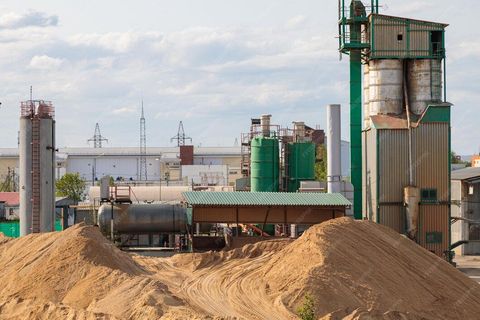
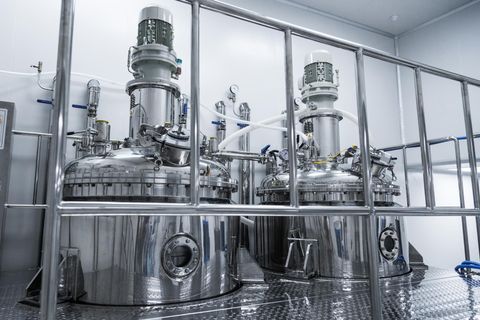
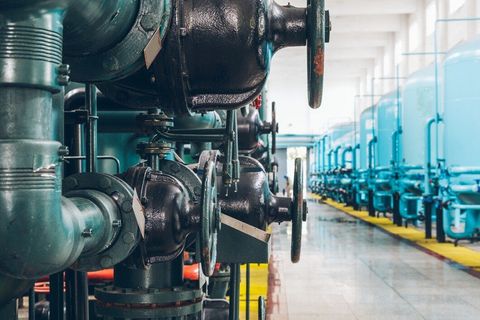
As construction demands continue to grow globally, the need for efficient and reliable machinery becomes even more important. Cement plants rely on specialized machines that grind raw materials, heat them at high temperatures, and convert them into clinker before producing the final cement product. Understanding how Cement Production Machinery works can provide valuable insight into how modern construction materials are produced efficiently and consistently.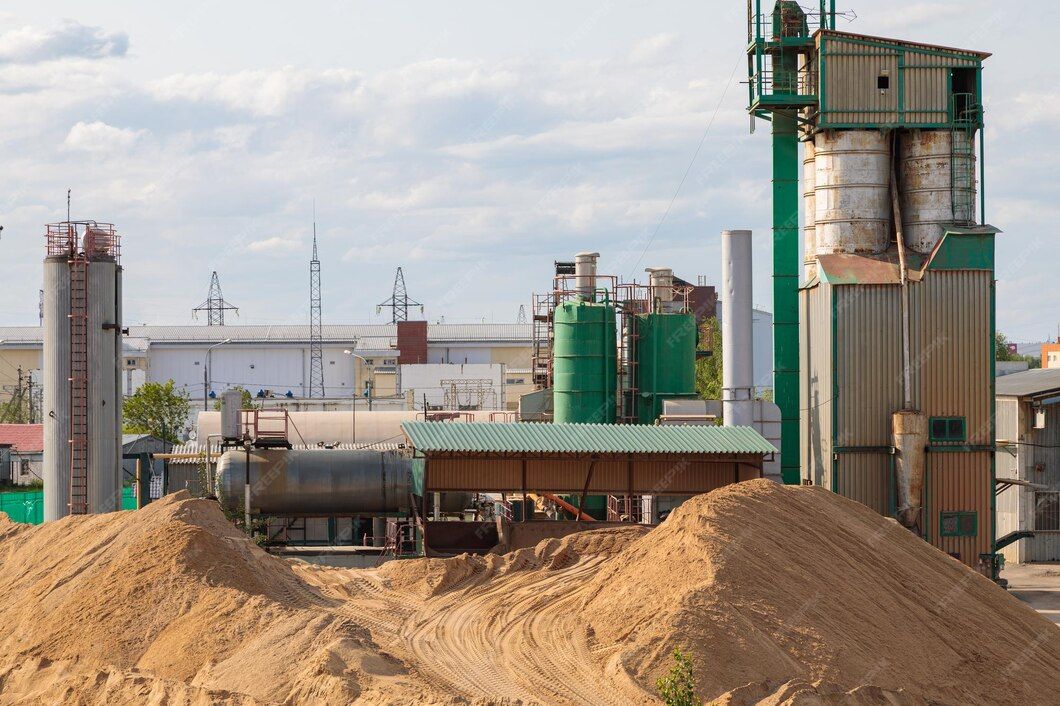
What is Cement Production Machinery
Cement Production Machinery refers to the collection of industrial equipment used in the manufacturing process of cement. These machines handle various stages of production, starting from raw material preparation to the final grinding stage that produces the cement powder used in construction. The machinery works together as an integrated system to ensure that each stage of production runs smoothly and efficiently.
In a typical cement manufacturing facility, multiple machines perform specific functions such as crushing limestone, grinding raw materials, heating the mixture in a kiln, and cooling the clinker before final grinding. Each piece of equipment is designed to handle large volumes of material while maintaining consistency and precision. As a result, Cement Production Machinery plays a key role in ensuring that cement meets industry standards for quality and performance.
How Cement Production Machinery Works
The process begins with raw material preparation, where large rocks such as limestone and clay are crushed into smaller pieces using specialized crushers. These materials are then blended and ground into a fine powder using grinding mills. Once prepared, the mixture is transferred into a rotary kiln where it is heated at extremely high temperatures. This heat causes chemical reactions that transform the raw mixture into clinker, which is the primary ingredient in cement.
After the clinker is produced, it passes through cooling systems before entering the final grinding stage. At this stage, the clinker is mixed with small amounts of other materials and ground into a very fine powder. The finished cement is then stored in silos before being distributed for construction use. Cement Production Machinery ensures that each step of this process operates efficiently and maintains consistent quality across large-scale production.
Key Benefits of Cement Production Machinery
Modern cement plants rely on advanced machinery to maintain efficiency, accuracy, and productivity throughout the manufacturing process. High-quality machinery helps streamline operations and ensures consistent output even in large industrial environments.
Key benefits include:
• Improved Production Efficiency – Advanced machinery helps cement plants maintain high output levels while reducing downtime.
• Consistent Product Quality – Precise equipment ensures uniform grinding, heating, and mixing throughout the process.
• Large-Scale Production Capability – Modern machines handle large volumes of raw materials, supporting growing construction demands.
• Energy Optimization – Efficient equipment helps reduce energy consumption during grinding and kiln operations.
• Automation and Monitoring – Many modern systems include digital monitoring features that help operators track performance in real time.
• Operational Reliability – Industrial-grade machinery is designed to run continuously in demanding production environments.
Practical Examples or Use Cases
Cement Production Machinery is used in various industries and large-scale construction projects around the world. Different types of equipment support specific functions within cement manufacturing plants.
| Category | Function | Example Use Case |
|---|---|---|
| Raw Material Crusher | Breaks large rocks into smaller pieces | Limestone processing in cement plants |
| Raw Mill | Grinds raw materials into fine powder | Preparation of raw mix before kiln heating |
| Rotary Kiln | Heats raw mix at high temperature | Conversion of raw mix into clinker |
| Clinker Cooler | Reduces temperature of hot clinker | Stabilizing clinker before final grinding |
| Cement Grinding Mill | Produces final cement powder | Preparation of cement for construction materials |
Tips or Best Practices
• Maintain regular equipment inspection schedules to ensure smooth operation of Cement Production Machinery.
• Monitor grinding and kiln temperature levels to maintain consistent clinker quality.
• Train plant operators to understand machinery functions and safety procedures.
• Use digital monitoring systems to track performance and improve production efficiency.
Common Mistakes to Avoid
One common mistake in cement manufacturing is neglecting proper maintenance of Cement Production Machinery. When machinery is not regularly inspected or calibrated, production efficiency can decrease and equipment lifespan may shorten. Another frequent issue is improper raw material preparation, which can affect clinker quality and lead to inconsistent cement output. Operators who fail to monitor temperature control in kilns may also face production challenges. Proper training and routine system monitoring are essential to avoid these problems and maintain stable plant operations.
Future Trends or Insights
The cement industry continues to evolve as manufacturers focus on improving efficiency, sustainability, and digital integration. Modern Cement Production Machinery is increasingly designed to support automation and environmentally responsible manufacturing practices.
Future trends include:
• Smart Manufacturing Systems – Integration of AI and data monitoring tools in cement plants.
• Energy-Efficient Kiln Technologies – Advanced kiln designs that reduce fuel consumption.
• Automation and Remote Monitoring – Digital control rooms that manage plant operations.
• Eco-Friendly Cement Production – Equipment designed to reduce environmental impact.
• Predictive Maintenance Technology – Systems that identify equipment issues before they affect production.
Frequently Asked Questions (FAQ)
1. What is Cement Production Machinery used for?
Cement Production Machinery is used to process raw materials and convert them into cement through crushing, grinding, heating, and final milling processes.
2. What are the main machines used in cement manufacturing?
Common machines include crushers, grinding mills, rotary kilns, clinker coolers, and cement mills.
3. Why is a rotary kiln important in cement production?
A rotary kiln heats the raw material mixture at high temperatures to produce clinker, which is the key ingredient in cement.
4. How does grinding affect cement quality?
Grinding ensures the cement particles reach the correct size and consistency, which influences strength and performance.
5. Why is automation becoming important in cement plants?
Automation helps improve efficiency, monitor machinery performance, and maintain consistent production quality.
Conclusion
Cement Production Machinery plays a vital role in the global construction industry. From raw material preparation to the final grinding stage, specialized equipment ensures that cement manufacturing remains efficient, reliable, and capable of meeting growing infrastructure demands. Each machine within a cement plant contributes to maintaining consistent quality and smooth production operations.
As technology continues to advance, cement manufacturing is expected to become more efficient and environmentally responsible. Innovations such as automation, predictive maintenance, and energy-efficient equipment are shaping the future of the industry. Understanding the role of Cement Production Machinery helps highlight how modern infrastructure depends on advanced manufacturing technologies.