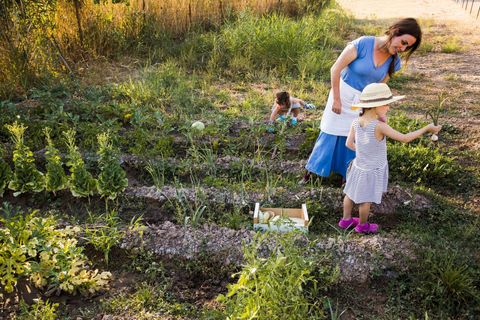
An Organic Gardening Guide focuses on natural soil care, eco-friendly pest management, and sustainable plant growth. Whether someone has a small balcony garden or a large backyard, organic gardening methods help create healthier plants, richer soil, and a balanced ecosystem that supports long-term plant growth.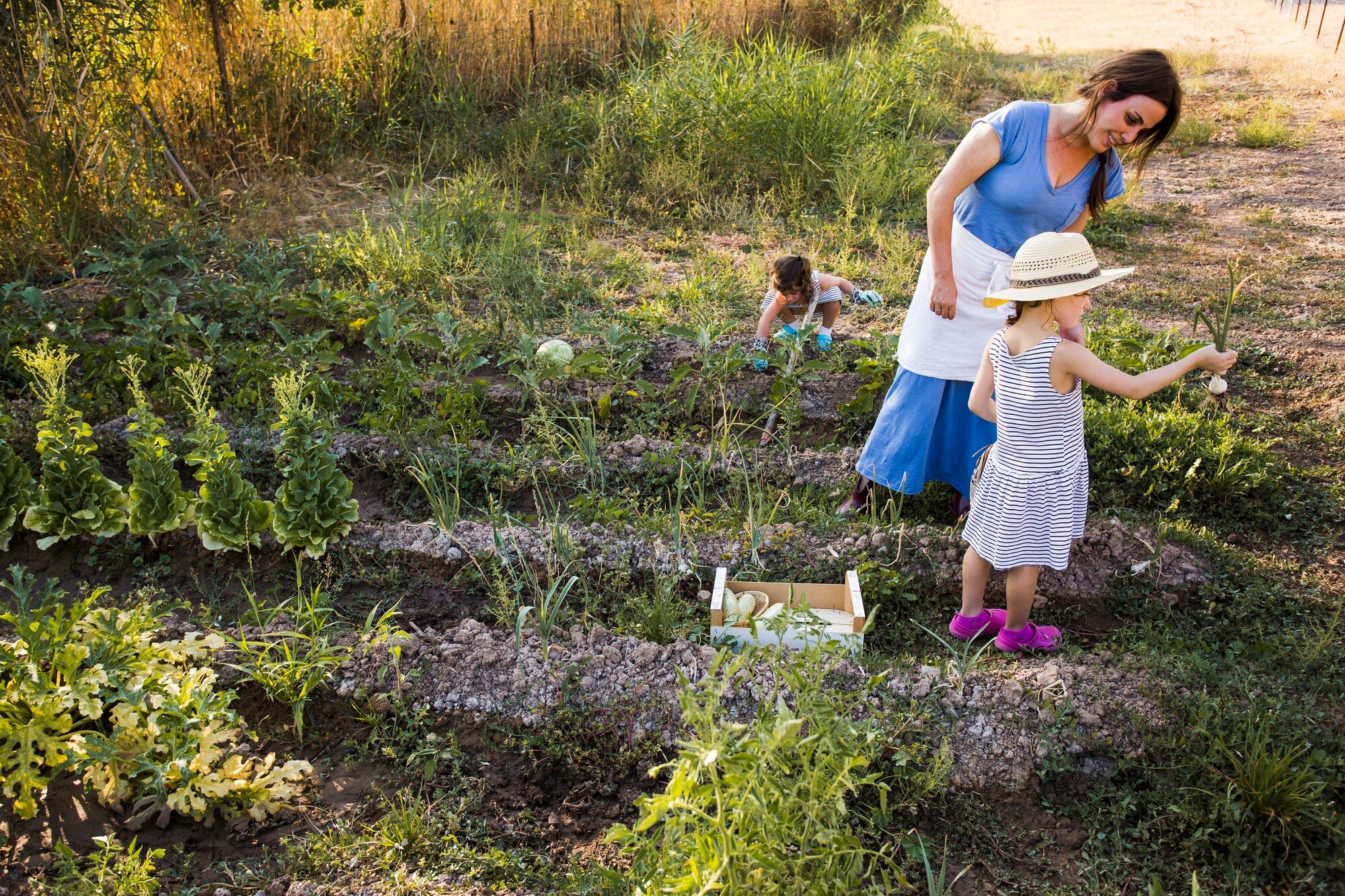
What is Organic Gardening Guide
An Organic Gardening Guide is a structured set of principles and practices that help people grow plants using natural methods. Instead of synthetic fertilizers or chemical pesticides, organic gardening focuses on compost, natural soil nutrients, beneficial insects, and environmentally friendly gardening techniques. The goal is to maintain healthy soil while supporting plant growth in a sustainable way.
This approach also encourages biodiversity. Plants, insects, soil organisms, and microorganisms work together to create a balanced environment. An Organic Gardening Guide explains how gardeners can build this natural system so plants grow stronger, produce healthier vegetables and fruits, and remain more resilient against pests and environmental stress.
How Organic Gardening Guide Works
Organic gardening works by focusing on the health of the soil first. Healthy soil contains nutrients, organic matter, and microorganisms that support plant growth naturally. Compost, plant residues, and natural fertilizers enrich the soil, allowing plants to absorb nutrients slowly and steadily.
Another important aspect of an Organic Gardening Guide is natural pest management and plant diversity. Instead of relying on chemicals, gardeners use crop rotation, companion planting, natural repellents, and beneficial insects to protect plants. This balanced approach creates a garden ecosystem where plants thrive while maintaining environmental sustainability.
Key Benefits of Organic Gardening Guide
Organic gardening provides many advantages for both gardeners and the environment. By following natural growing methods, plants develop stronger roots, soil fertility improves, and the surrounding ecosystem remains balanced.
Benefits include:
- Improves soil fertility through natural compost and organic matter
- Encourages biodiversity and supports beneficial insects
- Produces healthier fruits, vegetables, and herbs
- Reduces environmental pollution and soil degradation
- Builds long-term sustainability in gardening systems
- Enhances plant resilience against pests and diseases
Practical Examples or Use Cases
| Category | Function | Example Use Case |
|---|---|---|
| Home Gardening | Natural food production | Growing organic vegetables in a backyard garden |
| Balcony Gardening | Small-space plant growth | Using compost soil mix for herbs and leafy greens |
| Community Gardens | Shared sustainable farming | Local neighborhoods growing organic produce together |
| Urban Gardening | Sustainable city agriculture | Rooftop gardens using organic compost systems |
| Educational Gardens | Teaching sustainability | Schools demonstrating natural plant cultivation |
Tips or Best Practices
- Use compost regularly to enrich soil nutrients and improve plant growth.
- Plant different crops together to encourage biodiversity and natural pest control.
- Rotate crops every season to maintain soil health.
- Use mulch to retain moisture and protect soil organisms.
Common Mistakes to Avoid
Many beginners make the mistake of expecting instant results when following an Organic Gardening Guide. Organic gardening works gradually as soil health improves over time. Another common issue is overwatering plants or using poor-quality soil without organic matter. Some gardeners also ignore crop diversity, which can increase pest problems. Understanding soil conditions, plant needs, and natural growth cycles helps prevent these beginner mistakes and leads to healthier gardens.
Future Trends or Insights
Organic gardening continues to evolve as people seek more sustainable food production methods and environmentally friendly lifestyles.
Key trends include:
- Growing interest in urban organic gardening and rooftop farms
- Increased use of smart irrigation systems for water efficiency
- Integration of composting systems in home gardens
- Rise of regenerative gardening practices that restore soil health
- Greater awareness of biodiversity and pollinator-friendly gardens
Frequently Asked Questions (FAQ)
1. What is the main goal of an Organic Gardening Guide?
The main goal is to help gardeners grow plants naturally while maintaining soil health and environmental balance.
2. Is organic gardening suitable for beginners?
Yes, organic gardening can be simple to start. Beginners can begin with basic compost, healthy soil, and natural plant care methods.
3. Does organic gardening improve soil quality?
Yes, organic methods enrich soil with nutrients, microorganisms, and organic matter that improve long-term soil fertility.
4. Can organic gardening be done in small spaces?
Yes, it works well in balconies, terraces, and small backyard gardens using containers and natural soil mixtures.
5. How long does it take to see results in organic gardening?
Results vary depending on soil quality and plant types, but soil health and plant growth typically improve gradually over time.
Conclusion
An Organic Gardening Guide provides a simple and natural approach to growing plants while protecting soil and the environment. By focusing on compost, biodiversity, and sustainable gardening techniques, anyone can build a productive garden that supports long-term plant health.
As more people become aware of environmental sustainability and healthy food production, organic gardening continues to gain importance. Following the principles of an Organic Gardening Guide not only improves gardening success but also contributes to a healthier ecosystem for future generations.