As people look for ways to improve convenience and functionality in their living spaces, furniture that integrates with smart devices is gaining attention. Instead of having separate gadgets scattered around the house, furniture pieces now come designed to support automation, connectivity, and digital control. This shift is redefining how we think about home design and interior functionality.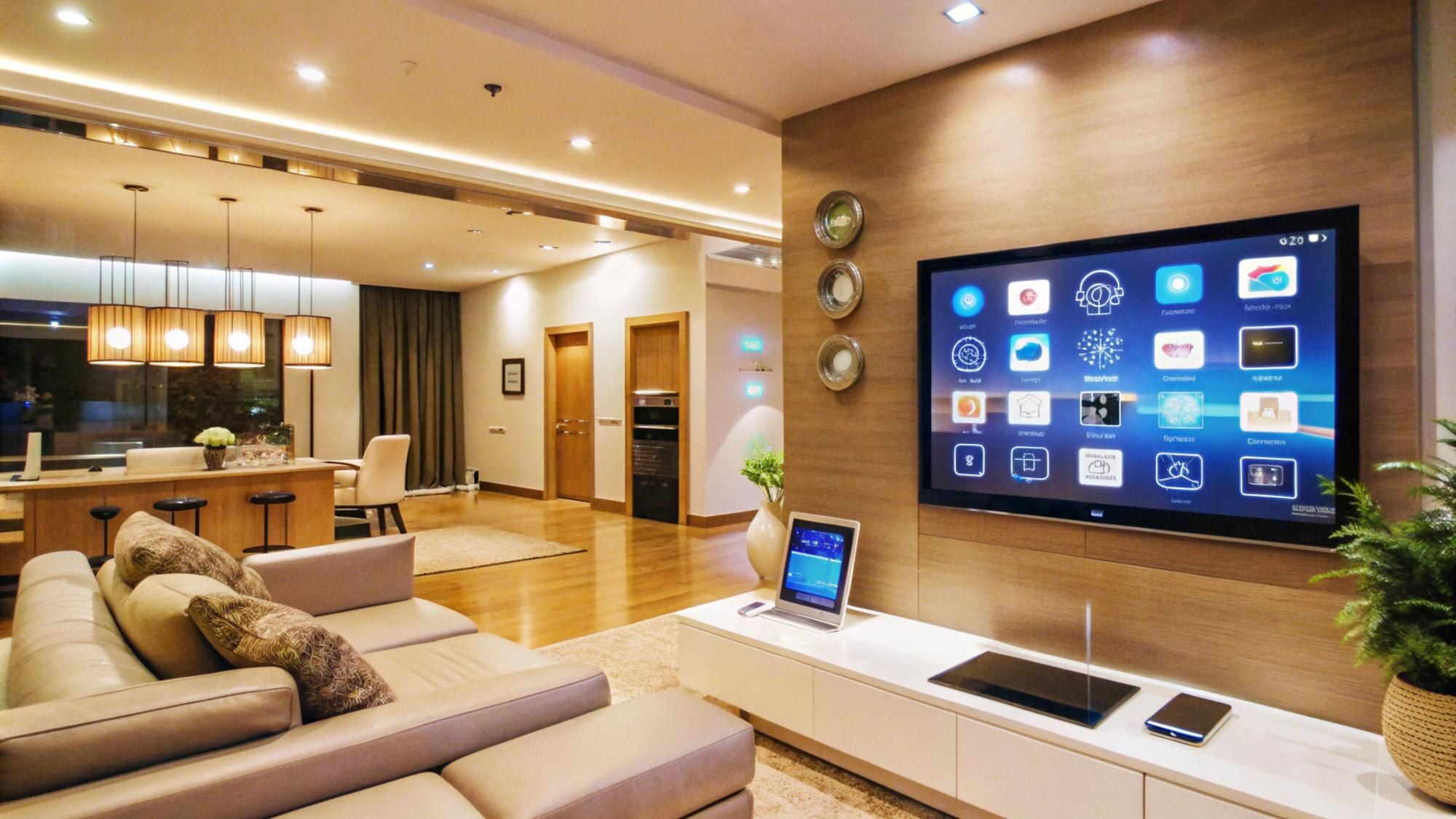
What is Smart Home-Compatible Furniture
Smart Home-Compatible Furniture refers to furniture pieces that are designed to work with smart home technology. These items often include built-in sensors, wireless connectivity, charging features, or integration with voice assistants and mobile apps. The goal is to combine everyday furniture with digital functionality so that it supports a connected lifestyle.
Unlike traditional furniture that only serves a physical purpose, these smart pieces provide both physical comfort and digital interaction. For example, a smart bedside table might include wireless charging, voice assistant support, and automatic lighting controls. This type of furniture creates a seamless connection between the physical environment and the digital smart home ecosystem.
How Smart Home-Compatible Furniture Works
Smart Home-Compatible Furniture works by integrating technology such as Wi-Fi modules, Bluetooth connectivity, embedded sensors, and control interfaces directly into the furniture design. These components allow the furniture to communicate with smart home systems, mobile applications, and voice-controlled devices.
When connected to a home automation network, the furniture can respond to commands, collect environmental data, or trigger automated actions. For instance, a smart desk might adjust its height automatically based on user preferences stored in an app, while a smart sofa may include built-in speakers that connect with a home entertainment system.
Key Benefits of Smart Home-Compatible Furniture
Smart Home-Compatible Furniture provides more than just style. It enhances the functionality of living spaces while improving convenience and efficiency.
• Enhances daily convenience through integrated technology
• Helps organize and reduce clutter by combining furniture and smart devices
• Supports better energy efficiency with automated features
• Improves home comfort through personalized settings
• Creates a more modern and connected living environment
• Integrates seamlessly with existing smart home ecosystems
• Adds multifunctionality to traditional furniture designs
Practical Examples or Use Cases
| Category | Function | Example Use Case |
|---|---|---|
| Smart Bed | Sleep tracking and adjustable comfort | Automatically adjusts firmness and tracks sleep patterns |
| Smart Coffee Table | Wireless charging and device connectivity | Charges smartphones and tablets without cables |
| Smart Desk | Adjustable height and posture reminders | Encourages healthy work habits during long working hours |
| Smart Wardrobe | Clothing organization and inventory tracking | Helps manage clothing items and suggests outfit combinations |
| Smart Sofa | Built-in speakers and USB charging | Connects to home entertainment systems for immersive audio |
Tips or Best Practices
• Choose furniture that integrates easily with your existing smart home system.
• Focus on functionality rather than adding unnecessary technology.
• Ensure the furniture has reliable connectivity and compatible apps.
• Consider long-term usability and software update support.
Common Mistakes to Avoid
Many beginners assume that all smart furniture works seamlessly with every smart home system, which is not always the case. Compatibility issues can arise when devices use different platforms or connectivity standards. Another common mistake is prioritizing technology features over comfort and usability. Furniture should still fulfill its primary purpose first. Ignoring data privacy and security considerations is also a concern, as connected devices collect information about usage patterns and household activities.
Future Trends or Insights
The future of Smart Home-Compatible Furniture is closely tied to the broader development of smart homes and the Internet of Things. As technology evolves, furniture will become more interactive, personalized, and intelligent.
• AI-driven furniture that adapts automatically to user habits
• Integration with health monitoring technologies
• Energy-efficient furniture that supports smart power management
• Furniture designs with embedded augmented reality features
• Greater personalization through user behavior analytics
Frequently Asked Questions (FAQ)
1. What makes furniture compatible with smart homes?
Furniture becomes compatible with smart homes when it includes connectivity features such as Wi-Fi, Bluetooth, sensors, or integration with home automation platforms.
2. Is Smart Home-Compatible Furniture difficult to use?
Most designs focus on simplicity. Many pieces connect through mobile apps or voice assistants, making them easy for beginners to operate.
3. Does smart furniture require special installation?
In most cases, installation is simple. Some furniture may require connecting to a home network or setting up a mobile application.
4. Can smart furniture work with existing smart home devices?
Many products are designed to integrate with popular smart ecosystems, allowing them to interact with lighting, speakers, and other connected devices.
5. Is Smart Home-Compatible Furniture suitable for small homes?
Yes, it can be especially useful for smaller spaces because multifunctional furniture helps reduce clutter while adding useful digital features.
Conclusion
Smart Home-Compatible Furniture represents the next step in the evolution of home design. By combining everyday furniture with intelligent technology, it transforms living spaces into more efficient and interactive environments. Instead of separate devices scattered around the house, these innovative pieces bring technology directly into the structure of the home.
As smart homes continue to grow in popularity, furniture that integrates with connected systems will become more common. This shift will not only enhance convenience but also redefine how people interact with their living spaces in the future.