Today, industries rely on a wide range of Steel Products to build strong structures, manufacture machinery, and create reliable equipment. These products are designed in different forms such as sheets, bars, pipes, and structural components. Each type serves a specific purpose and helps improve efficiency, safety, and performance in many applications.
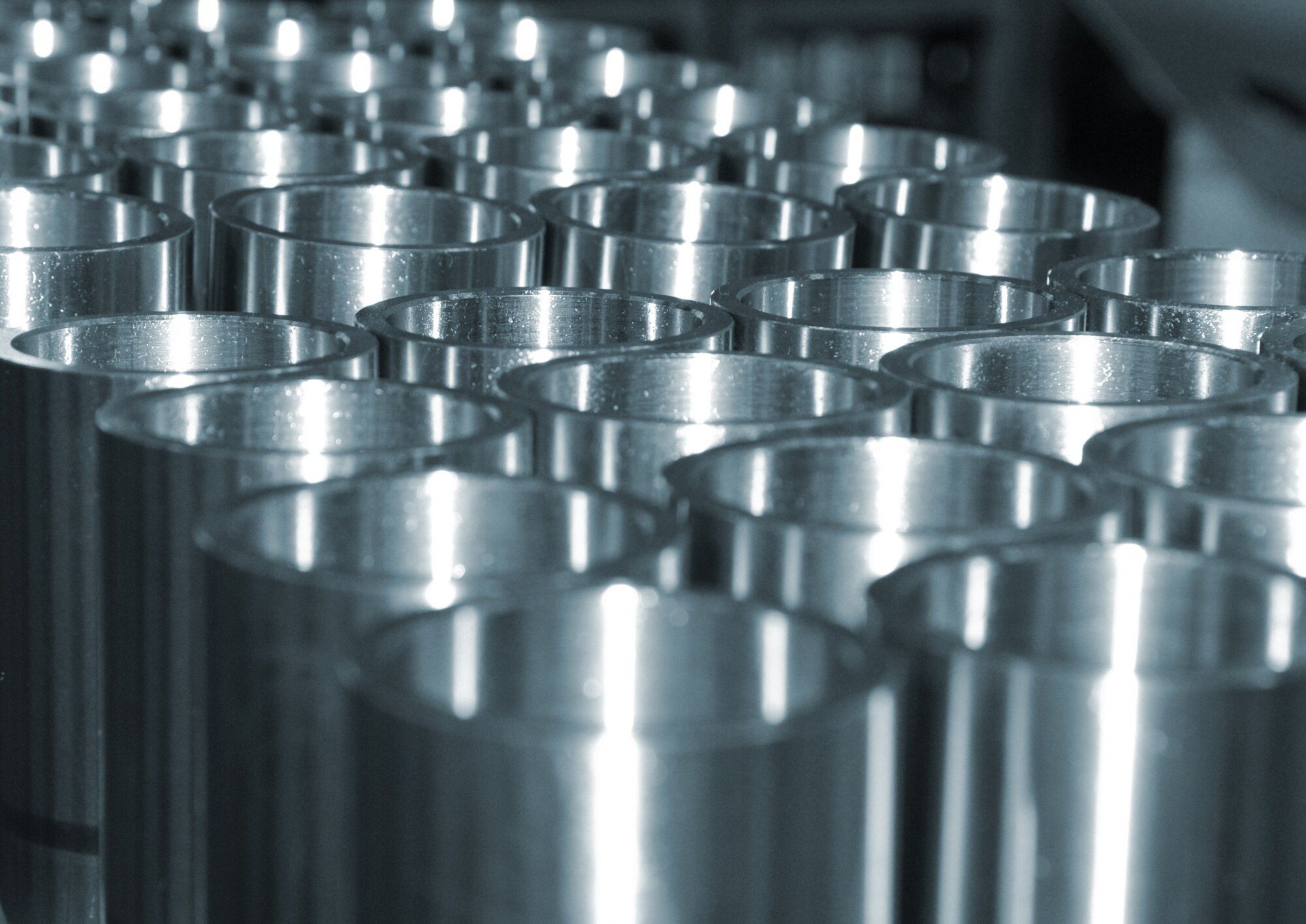
What is Steel Products
Steel Products refer to items manufactured from steel that are designed for industrial, commercial, or structural applications. Steel itself is an alloy made primarily from iron and carbon, which gives it exceptional strength and durability. Through different manufacturing techniques, steel can be shaped into various forms such as rods, plates, coils, pipes, beams, and wires. These forms are then used across multiple industries.
The versatility of Steel Products makes them suitable for both heavy industrial projects and everyday uses. For example, steel beams support large buildings, steel pipes transport fluids in industrial systems, and steel sheets are used in automotive manufacturing. Because steel can withstand high pressure, extreme temperatures, and long-term wear, it remains one of the most reliable materials used worldwide.
How Steel Products Works
The production of Steel Products begins with the processing of raw iron and carbon materials in steel plants. These materials are heated and refined to create molten steel, which is then shaped into different forms through processes such as rolling, casting, and forging. Depending on the intended application, the steel may undergo additional treatments to improve strength, corrosion resistance, or flexibility.
Once the steel is shaped into its desired form, it is further processed into specific Steel Products such as pipes, sheets, bars, or structural components. These finished materials are then used by industries to construct buildings, manufacture equipment, produce transportation components, and develop infrastructure systems.
Key Benefits of Steel Products
Steel plays a critical role in modern engineering because it offers a combination of strength, reliability, and versatility. The widespread use of Steel Products is largely due to the advantages they bring to construction, manufacturing, and infrastructure development.
• High strength and durability for demanding industrial environments
• Excellent resistance to wear, pressure, and structural stress
• Long lifespan with reliable performance over time
• Adaptability for various shapes and industrial applications
• Recyclable material that supports sustainable manufacturing
• Consistent structural stability in large-scale construction projects
Practical Examples or Use Cases
| Category | Function | Example Use Case |
|---|---|---|
| Construction | Structural support for buildings | Steel beams used in high-rise structures |
| Transportation | Durable vehicle components | Steel frames used in automobiles and trucks |
| Energy Industry | Fluid transportation systems | Steel pipes used in oil and gas pipelines |
| Manufacturing | Machine and equipment production | Steel plates used in industrial machinery |
| Infrastructure | Bridge and rail construction | Steel cables and beams used in bridges |
Tips or Best Practices
• Select the appropriate type of steel based on strength and environmental requirements.
• Ensure proper surface treatment to improve durability and corrosion resistance.
• Follow correct fabrication and installation techniques to maintain structural integrity.
• Regularly inspect steel structures to identify early signs of wear or damage.
Common Mistakes to Avoid
One common mistake beginners make when working with Steel Products is choosing the wrong type of steel for a specific application. Different projects require different steel grades and forms, and selecting the wrong one can lead to reduced durability or performance issues. Another mistake is ignoring environmental factors such as moisture, temperature changes, or corrosion exposure. Without proper protective treatments and maintenance, steel structures may experience long-term damage that could otherwise be prevented.
Future Trends or Insights
As industries continue to evolve, Steel Products are also adapting to meet new technological and environmental demands. Innovations in metallurgy, manufacturing processes, and sustainability practices are transforming the steel industry.
• Development of stronger and lighter steel alloys for advanced engineering
• Increased use of recycled steel in manufacturing processes
• Smart manufacturing technologies improving production efficiency
• Expansion of steel applications in renewable energy infrastructure
• Advanced corrosion-resistant coatings for longer material lifespan
Frequently Asked Questions (FAQ)
1. What are the most common types of Steel Products?
Common types include steel sheets, pipes, bars, beams, rods, and structural components used across construction and manufacturing industries.
2. Why are Steel Products widely used in construction?
They provide excellent strength, stability, and durability, making them ideal for supporting large structures and infrastructure.
3. Are Steel Products environmentally sustainable?
Steel is highly recyclable, which makes it an important material for sustainable manufacturing and resource conservation.
4. How are Steel Products manufactured?
Steel is produced by refining iron and carbon materials, then shaped into different forms using rolling, casting, or forging processes.
5. What industries rely heavily on Steel Products?
Construction, automotive, energy, manufacturing, and infrastructure sectors depend heavily on steel-based materials.
Conclusion
Steel remains one of the most essential materials in modern industry. Its strength, versatility, and reliability make Steel Products vital for building infrastructure, manufacturing equipment, and supporting global development. From construction projects to transportation systems, steel continues to play a foundational role in many sectors.
As technology advances, the future of Steel Products looks even more promising. Innovations in materials science, sustainable manufacturing, and advanced production techniques will continue to improve steel performance and expand its applications across industries.